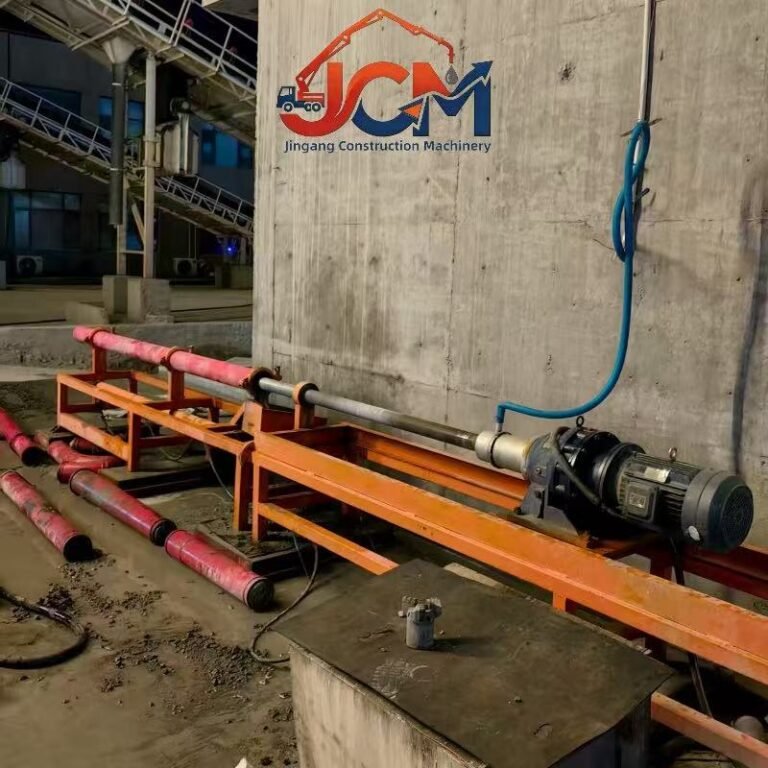
Quenching is a critical heat treatment process used in the manufacturing of high-quality concrete pump pipes. The main purpose of quenching is to improve the hardness, wear resistance, and overall durability of the pipe.
During concrete pumping, the inner wall of the pipe is constantly exposed to friction from sand, gravel, and cement materials. Without proper heat treatment, the pipe surface wears quickly, reducing its service life and increasing replacement costs.
The quenching process involves heating the steel pipe to a high temperature and then cooling it rapidly. This changes the internal structure of the steel and significantly increases hardness.
Quenched concrete pump pipes provide several important advantages:
* Higher wear resistance
* Better pressure performance
* Longer service life
* Improved resistance to deformation
* Lower maintenance costs
For high-pressure pumping projects such as super high-rise buildings, bridge construction, and large concrete foundation pouring, quenched concrete pump pipes are especially important.
Professional manufacturers usually combine quenching technology with high-quality alloy materials and precision welding to produce durable and reliable concrete pump pipelines for global construction projects.